Introduction: Why Wall Panel Design Matters in Modern Interiors
Your walls tell a story. They set the mood, define the character, and establish the visual identity of every room you walk into. A well-executed wall panel design transforms a plain, forgettable wall into a breathtaking focal point that captivates everyone who enters the space.
Gone are the days when homeowners relied solely on paint or wallpaper to add personality to their interiors. Today, wall paneling has become one of the most sought-after interior design solutions across Dubai and the UAE. Whether you live in a sleek city apartment, a sprawling villa, or a modern townhouse, the right wall panel design can completely redefine your living environment.
In this comprehensive guide, you will discover everything you need to know about wall panel design — from materials and styles to room-specific ideas, current trends, and expert installation tips. By the end of this blog, you will feel confident in choosing a design that reflects your taste, fits your budget, and elevates your home to the next level.
Let us dive in.
What Is Wall Panel Design?
Wall panel design refers to the art and science of covering interior or exterior walls with decorative panels made from various materials. These panels serve both aesthetic and functional purposes. They add texture, depth, and visual interest to walls while also providing insulation, soundproofing, and surface protection.
Unlike traditional paint or wallpaper, wall panels introduce a three-dimensional element to your interiors. They create shadows, highlight architectural features, and add a layer of sophistication that flat surfaces simply cannot achieve.
A Brief History of Wall Paneling
Wall paneling has deep historical roots. In medieval Europe, wealthy homeowners used wooden panels to insulate cold stone walls. By the Renaissance period, ornate paneling became a symbol of status and refinement. Fast forward to 2025, and wall panel design has evolved into a versatile, accessible, and highly customizable solution for modern interiors.
Today, you can find panels made from wood, MDF, PVC, WPC, gypsum, metal, and even natural stone. The variety of materials and styles ensures that every homeowner, designer, and architect can find exactly what they need.
Benefits of Choosing Wall Panel Design for Your Home
Why should you invest in wall paneling instead of sticking with paint or wallpaper? The answer lies in the multiple benefits that a well-chosen wall panel design delivers.
1. Instant Visual Transformation
Wall panels create dramatic visual impact. A single accent wall covered in textured panels can transform a dull room into a designer showroom. The depth, patterns, and material variations draw the eye and create a lasting impression.
2. Enhanced Durability and Protection
Panels protect your walls from scratches, dents, moisture, and everyday wear. This makes them especially valuable in high-traffic areas like hallways, living rooms, and children’s bedrooms.
3. Superior Insulation
Many panel materials — especially wood, WPC, and foam-backed options — provide thermal and acoustic insulation. In a city like Dubai, where temperatures soar, this added insulation can reduce energy costs and improve indoor comfort.
4. Low Maintenance
Unlike painted walls that chip, stain, and require frequent touch-ups, most wall panels require nothing more than occasional wiping with a damp cloth. They resist fading, staining, and moisture damage.
5. Increased Property Value
A thoughtfully designed interior always adds value to a property. Decorative wall panels signal quality, attention to detail, and modern taste — all factors that appeal to potential buyers and tenants.
6. Easy Installation and Replacement
Modern panels feature interlocking, adhesive, or clip-on systems that allow for quick installation and hassle-free replacement. You can update your walls without the mess, time, and expense of full renovation.
7. Eco-Friendly Options Available
Many manufacturers now produce panels from recycled materials, sustainably sourced wood, and low-VOC composites. Choosing these options allows you to beautify your home while minimizing your environmental footprint.
Popular Types of Wall Panel Design Styles
The world of wall paneling offers an incredible range of styles. Understanding the most popular options will help you narrow down your choices and find the perfect fit for your space.
1. Fluted Wall Panels
Fluted panels feature evenly spaced vertical grooves that create a rhythmic, elegant pattern. They work beautifully in contemporary and minimalist interiors. You will often see them behind beds, in entryways, and as TV backdrop walls.
Fluted panels come in wood, MDF, and WPC materials. Their clean lines and subtle texture make them one of the most versatile wall panel design options available today.
2. 3D Wall Panels
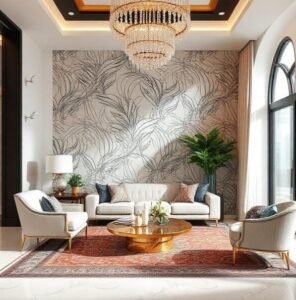
Three-dimensional panels add sculptural depth to walls. They come in countless patterns — waves, diamonds, geometric shapes, organic forms, and abstract designs. When combined with strategic lighting, 3D wall panel ideas create stunning visual effects that rival gallery installations.
3. Shiplap Panels
Shiplap consists of horizontal planks with a distinctive gap between each board. Originally associated with farmhouse and coastal styles, modern shiplap has evolved into a versatile choice that works in contemporary, Scandinavian, and transitional interiors.
4. Wainscoting and Raised Panels
Wainscoting covers the lower portion of a wall, typically one-third to halfway up. Raised panels within wainscoting frames add classic, timeless elegance. This style works exceptionally well in dining rooms, hallways, and formal living spaces.
5. Slatted Wood Panels
Slatted panels feature thin wooden strips mounted with even spacing. They create a warm, natural aesthetic and work well as room dividers, accent walls, and headboard features. The interplay of light and shadow through the slats adds dynamic visual interest.
6. Geometric and Mosaic Panels
For bold, artistic statements, geometric and mosaic panels deliver. These panels combine shapes, colors, and materials into eye-catching compositions. They suit creative spaces, commercial interiors, and homes with a strong design personality.
7. Leather and Fabric Upholstered Panels
Upholstered panels bring luxury, softness, and acoustic comfort to bedrooms and media rooms. They add warmth and tactile richness that hard materials cannot replicate.
Best Materials for Wall Panel Design
Choosing the right material is just as important as choosing the right style. Each material offers distinct advantages in terms of appearance, durability, cost, and suitability for different environments.
Here are the most popular materials:
- Solid Wood — Timeless beauty, natural warmth, and premium feel. Best for living rooms, bedrooms, and upscale commercial spaces. Requires occasional sealing in humid climates.
- MDF (Medium Density Fiberboard) — Affordable, paintable, and available in countless profiles. Ideal for wainscoting, raised panels, and custom designs. Not suitable for high-moisture areas without proper sealing.
- WPC (Wood Plastic Composite) — Combines the look of wood with the durability of plastic. Resistant to moisture, termites, and warping. Perfect for Dubai’s climate. Modern wall paneling made from WPC offers exceptional longevity.
- PVC — Lightweight, waterproof, and budget-friendly. Works well in bathrooms, kitchens, and commercial spaces. Available in wood-grain, marble, and solid color finishes.
- Gypsum — Smooth, paintable, and excellent for creating intricate 3D designs. Commonly used in ceilings and accent walls.
- Natural Stone and Marble — Unmatched luxury and elegance. Heavy and expensive, but delivers a dramatic, high-end finish.
- Metal — Stainless steel, aluminum, and copper panels create industrial, modern, and Art Deco aesthetics.
Wall Panel Design Ideas for Every Room
The beauty of wall paneling lies in its versatility. You can adapt it to any room, any style, and any budget. Here are room-specific wall panel design ideas to inspire your next project.
Living Room
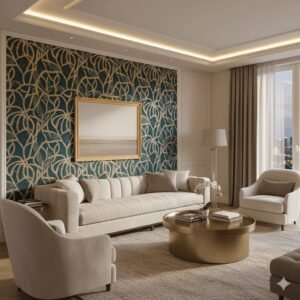
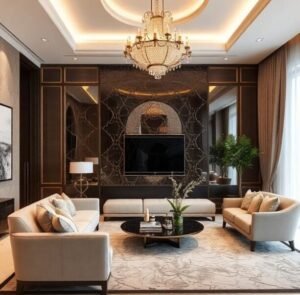
The living room is your home’s social hub. It deserves a show-stopping wall. Consider installing a full-height fluted panel wall behind your sofa or entertainment unit. Choose warm wood tones for a cozy atmosphere or sleek grey finishes for a contemporary edge.
A 3D accent wall with integrated LED strip lighting creates a gallery-like ambiance that impresses every guest.
Pro Tip: Pair your wall panels with floating shelves to combine aesthetics with functionality.
Bedroom
Your bedroom should feel like a sanctuary. An upholstered headboard wall panel adds softness, warmth, and acoustic comfort. Alternatively, a slatted wood panel behind the bed creates a spa-like, calming environment.
For children’s bedrooms, colorful geometric panels spark creativity and add playful energy.
Kitchen
Kitchens benefit from moisture-resistant panels made of PVC or WPC. Use them as backsplash alternatives or accent walls behind dining nooks. Stone-effect panels bring rustic charm, while high-gloss panels add modern sophistication.
Bathroom
Waterproof PVC panels have revolutionized bathroom design. They replicate the look of marble, tile, and wood without the grout lines, sealing requirements, and maintenance hassles.
Install them on shower walls, vanity backdrops, and half-height wainscoting for a clean, polished look.
Home Office
A well-designed home office boosts productivity and creativity. Acoustic wall panels reduce noise and improve focus. Felt panels in muted tones create a professional backdrop for video calls.
Cork panels serve double duty — they look stylish and function as pin boards.
Hallways and Entryways
First impressions matter. Decorative wall panels in your entryway or hallway set the tone for your entire home. Tall wainscoting with a contrasting paint color above creates an inviting, sophisticated welcome.
How to Choose the Right Wall Panel Design for Your Space
With so many options, choosing the right wall panel design can feel overwhelming. Follow these practical steps to simplify the process.
Step 1: Define Your Style
Are you drawn to minimalism, classic elegance, industrial edge, or bohemian warmth? Your personal style guides every decision — from material to pattern to color.
Step 2: Consider the Room’s Function
High-moisture rooms need waterproof materials. High-traffic areas need durable, scratch-resistant options. Bedrooms can accommodate softer, more delicate materials.
Step 3: Evaluate Your Budget
Wall panels range from budget-friendly PVC options to premium natural stone. Set a realistic budget and explore materials within that range. Remember that quality panels last longer and deliver better long-term value.
Step 4: Think About Lighting
Textured panels interact with light in powerful ways. Consider your room’s natural and artificial lighting. Glossy panels reflect light and brighten dark rooms. Matte panels absorb light and create cozy, intimate spaces.
Step 5: Request Samples
Never commit to a wall panel design based solely on photos. Request physical samples, hold them against your wall, observe them at different times of day, and see how they interact with your existing furniture and decor.
Step 6: Consult a Professional
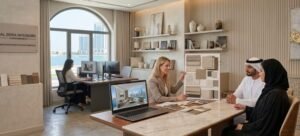
An experienced interior fit-out company can assess your space, recommend suitable materials, handle precise measurements, and ensure flawless installation.
Wall Panel Design Trends Dominating 2025
Interior design trends evolve constantly. Staying current ensures your home feels fresh, relevant, and stylish. Here are the top wall panel design trends shaping interiors in 2025.
1. Floor-to-Ceiling Paneling
Half-wall paneling is giving way to full-height installations. Floor-to-ceiling panels create dramatic impact and make rooms appear taller and more expansive.
2. Curved and Organic Shapes
Straight lines are sharing the spotlight with curves. Rounded panels, arched frames, and organic wave patterns bring softness and movement to interiors.
3. Mixed Materials
Designers are combining different panel materials on a single wall — wood with metal, stone with glass, fabric with MDF. These combinations create rich, layered, visually complex compositions.
4. Sustainable and Recycled Materials
Eco-conscious homeowners are driving demand for panels made from reclaimed wood, recycled plastic composites, and bamboo. Sustainability is no longer a compromise — it is a design statement.
5. Integrated Technology
Panels with built-in LED lighting, wireless charging surfaces, and hidden storage are gaining popularity. They merge technology seamlessly with design.
6. Bold Colors and Dark Tones
While neutral palettes remain popular, 2025 sees a rise in bold panel colors — deep greens, navy blues, rich burgundies, and matte blacks. These colors add drama, depth, and personality.
7. Japandi Aesthetic
The fusion of Japanese minimalism and Scandinavian warmth — known as Japandi — continues to influence wall panel design. Expect clean lines, natural wood tones, muted colors, and intentional simplicity.
Installation Tips for a Flawless Wall Panel Design
Even the most beautiful panels can look terrible if installed poorly. Follow these expert tips to ensure a flawless result.
- Prepare the Wall Surface — Clean, dry, and level your wall before installation. Fill holes, sand rough spots, and apply primer if needed.
- Acclimate the Panels — If using wood or MDF panels, store them in the installation room for 48-72 hours. This allows the material to adjust to the room’s temperature and humidity.
- Measure Twice, Cut Once — Precision matters. Measure your wall dimensions carefully, plan your panel layout, and account for outlets, switches, and fixtures.
- Use the Right Adhesive — Different materials require different adhesives. Consult the manufacturer’s recommendations. In humid climates like Dubai, moisture-resistant adhesive is essential.
- Start from a Level Line — Use a laser level to establish a perfectly horizontal or vertical starting line. Even slight misalignment compounds across multiple panels.
- Leave Expansion Gaps — Natural materials expand and contract with temperature and humidity changes. Leave small gaps at edges to prevent buckling and warping.
- Finish the Edges — Use trim, molding, or edge profiles to create clean, professional transitions between panels, corners, and adjacent surfaces.
- Hire Professionals for Complex Installations — While simple panel installations can be DIY projects, complex layouts, curved walls, and integrated lighting require professional expertise.
Why Choose Modenex Decor Dubai for Wall Panel Design
When it comes to wall panel design in Dubai and across the UAE, Modenex Decor stands as a trusted name in quality, craftsmanship, and customer satisfaction.
Here is what sets us apart:
- Extensive Collection — We offer a vast range of wall panels, including WPC, fluted, 3D, slatted, and custom-designed options to suit every style and budget.
- Premium Quality Materials — Every panel in our collection meets rigorous quality standards. We source materials that resist Dubai’s heat, humidity, and UV exposure.
- Custom Design Solutions — Your vision is unique, and your wall panels should be too. Our design team works closely with you to create bespoke panel solutions tailored to your exact specifications.
- Professional Installation — Our experienced installation team ensures precision, clean finishes, and lasting results. We treat every project — big or small — with the same attention to detail.
- Competitive Pricing — Luxury does not have to break the bank. We offer premium wall panel designs at competitive prices that deliver exceptional value.
- End-to-End Service — From initial consultation and design to material selection, fabrication, delivery, and installation, we handle every step of the process.
- Proven Track Record — We have served hundreds of satisfied clients across Dubai, including homeowners, interior designers, architects, and commercial businesses.
FAQ SECTION
Frequently Asked Questions About Wall Panel Design
Q1: What is the best material for wall panel design in Dubai?
WPC (Wood Plastic Composite) is widely considered the best material for wall panel design in Dubai. It combines the natural beauty of wood with exceptional resistance to heat, humidity, moisture, and termites. WPC panels maintain their appearance and structural integrity even in Dubai’s extreme climate conditions. PVC is another excellent option for wet areas like bathrooms and kitchens.
Q2: How much does wall panel design cost in Dubai?
The cost of wall panel design in Dubai varies based on the material, complexity, area size, and installation requirements. Basic PVC panels start at approximately AED 30-50 per square meter, while premium WPC and solid wood panels range from AED 80-250 per square meter. Custom 3D and designer panels can cost more. We recommend requesting a personalized quote from Modenex Decor Dubai for accurate pricing based on your specific project.
Q3: Can I install wall panels over existing paint or wallpaper?
Yes, you can install wall panels over painted walls in most cases, provided the surface is clean, dry, and structurally sound. However, you should remove loose or peeling wallpaper before installation, as it can compromise adhesive bonding. For best results, lightly sand glossy painted surfaces to improve adhesion.
Q4: How do I maintain and clean decorative wall panels?
Maintaining decorative wall panels is simple. For most materials, wipe the surface regularly with a soft, damp cloth to remove dust and fingerprints. Avoid abrasive cleaners, harsh chemicals, and excessive water. For natural wood panels, use wood-specific cleaning products and apply protective sealant periodically. WPC and PVC panels require minimal maintenance — just occasional wiping is enough.
Q5: Are wall panels suitable for commercial spaces?
Absolutely. Wall panels are an excellent choice for commercial spaces, including offices, hotels, restaurants, retail stores, and healthcare facilities. They add professional elegance, improve acoustics, and withstand the heavy use that commercial environments demand. Many businesses in Dubai choose interior wall cladding solutions from Modenex Decor to enhance their brand image and create memorable customer experiences.
Q6: How long does wall panel installation take?
Installation time depends on the project’s scope, complexity, and material. A single accent wall in a standard room typically takes one to two days. Larger projects, custom designs, and multi-room installations may take several days to a week. The Modenex Decor installation team provides a detailed timeline during the consultation phase so you can plan accordingly.
CONCLUSION AND CALL TO ACTION
Transform Your Space with the Perfect Wall Panel Design
Your walls hold incredible untapped potential. The right wall panel design does more than decorate — it transforms your entire living experience. It adds warmth, character, and sophistication that paint and wallpaper simply cannot match.
Whether you envision sleek fluted panels in your living room, a cozy slatted wood headboard wall in your bedroom, or moisture-resistant panels in your bathroom, the possibilities are limitless. The key lies in choosing quality materials, thoughtful designs, and professional installation.
At Modenex Decor Dubai, we are passionate about helping homeowners and businesses bring their interior visions to life. Our extensive collection of wall panels, combined with our expert design consultation and professional installation services, ensures results that exceed your expectations.
Ready to transform your walls?
👉 Call us or WhatsApp us now to schedule your FREE consultation and get a personalized quote.
👉 Visit our Dubai showroom to see and feel our panels in person.
Do not let your walls remain ordinary. Make them extraordinary with Modenex Decor Dubai — your trusted partner for premium wall panel design solutions in the UAE.